A start that holds because your dog understands it, not because it's pulling itself together.
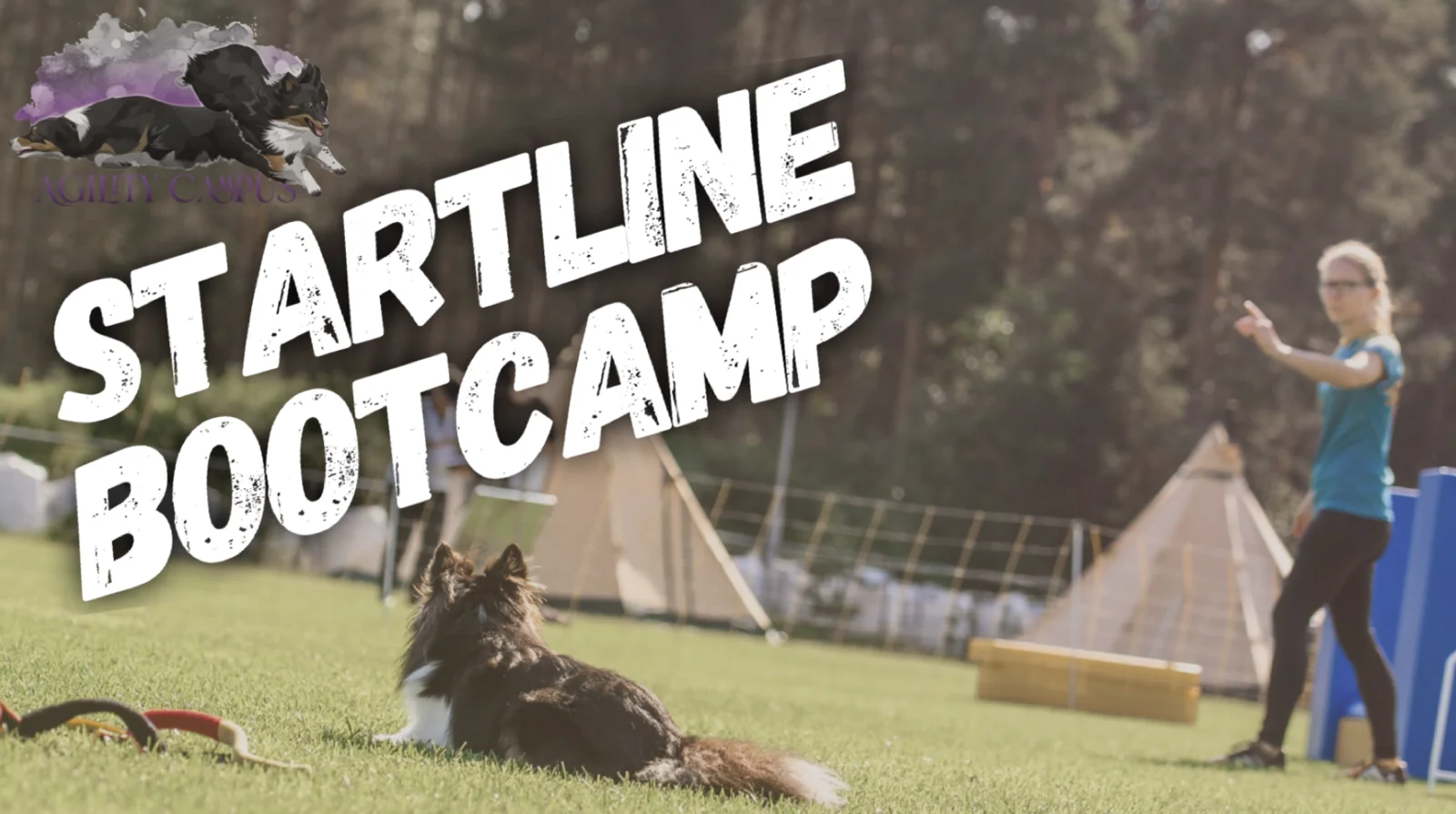
The start often decides how the whole run goes. This course tackles the issue at the root: you build a new start behavior from scratch.
The difference lies in the why. A dog who just endures the start is under tension. A dog who knows what's about to happen and what's expected of it waits calmly and still starts with full drive.
Building something new is usually easier and fairer than untangling entrenched conflicts after the fact. Feelings are part of the plan: regulate first, then set limits. Corrections happen sparingly and with purpose. That's exactly why you'll need hardly any in competition.

Vorher und nachher
A look inside the course
Four modules that build on each other, step by step from understanding to a start routine that holds in competition.
Training time four to six weeks. Twelve months of access to all content.
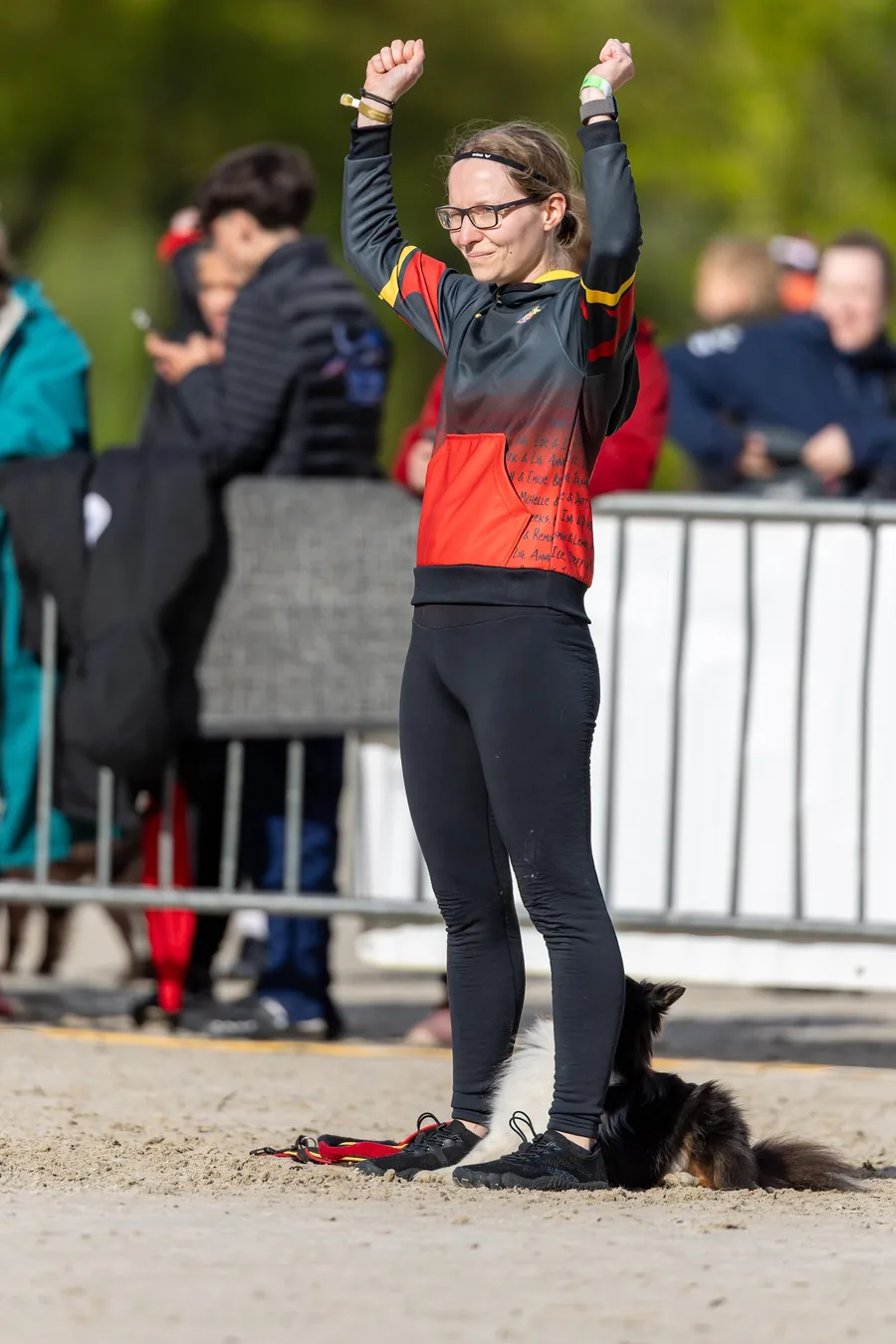
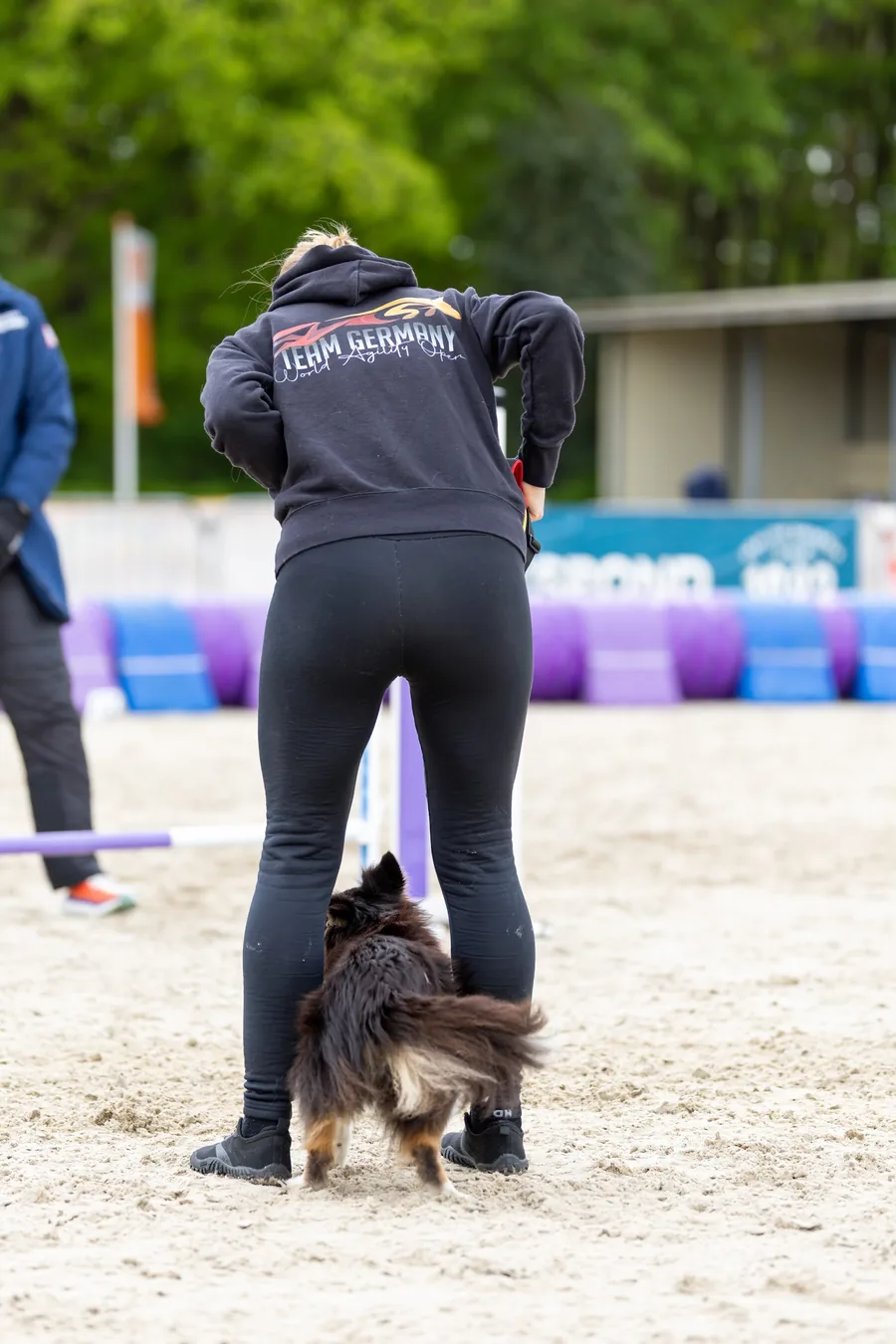
Especially useful if your dog loses its nerve before the release, pushes forward, takes off on its own, or barely manages to settle down at competitions.
If you're not ready to sacrifice a competition or two to correct the start. The system is designed so you have to sacrifice as few competition starts as possible.

Kundenstimme

Spar-Tipp
-
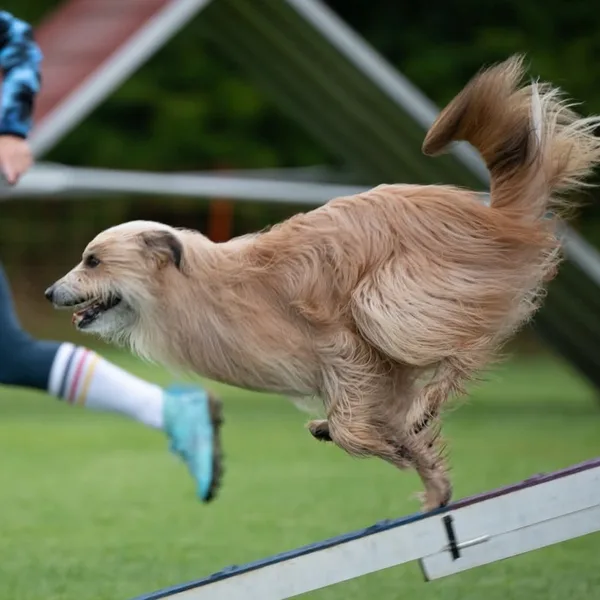
I did the Startline Bootcamp with both of my very high-drive Pyrenean Shepherd males. Chewie had always struggled to hold his start at competitions. In his first competition year, we had to deal with a correction for an early start in probably 80 to 90 percent of our runs, which was pretty frustrating for both of us. With the bootcamp, we rebuilt his start position from scratch, and it made a huge difference. Since then, early starts have become almost entirely a thing of the past for him. That's why I did the course with his son Grogu right away at a young age, so early starts never get a chance in the first place. So far he holds his start really well and shows no tendency at all to take off too early.
I can recommend the bootcamp to anyone who wants to stop early starts before they happen and begin competing without stress, or who wants to fix a start that isn't working with only a few corrections at competitions.
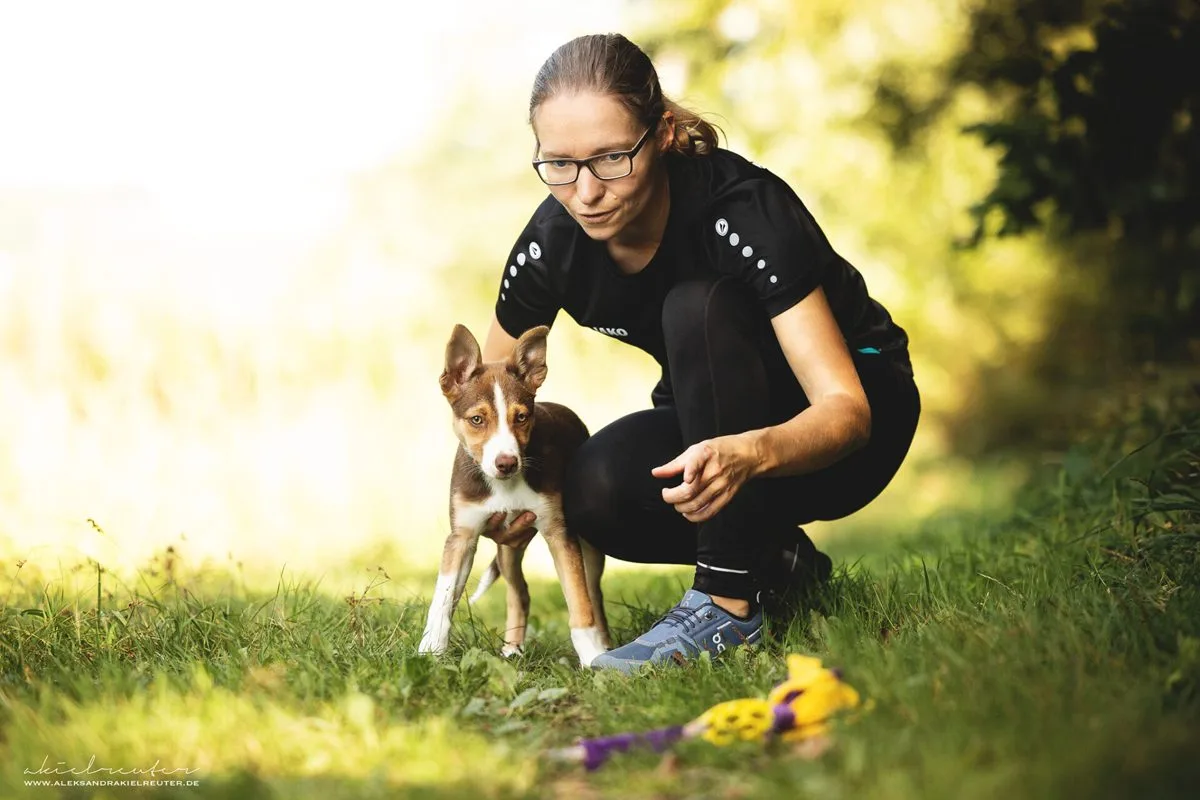
I have been doing agility for 23 years and have won 13 medals at the World Agility Open and the European Open. Agility Campus has been around for 10 years. In my courses your dog learns to understand what it is doing. Repetition alone is not enough for me.
More about me →
You start right away and train for twelve months at your own pace.
Still not sure? Find out which course is right for you and your dog on Start here →
Right after your purchase. Your login details come by email.
12 months to all content.
Yes, the course is included in the community.
Go to the community →Yes, especially for them. You learn how to handle high arousal and give your dog clear orientation instead of just asking for more control. Many start problems come from exactly this over-arousal and are solved through structure.
Yes. For insecure or unmotivated dogs the build-up is adapted. Pressure plays no role. The focus is on clear routines, small steps and safety. The goal is that your dog understands what's happening and becomes more confident and motivated because of it.
No. The goal of the system is for your dog to understand the task. Corrections are only used once the dog already knows the behavior. Before that, you analyze exactly how strong a correction may be for your dog.
Most teams see clear changes within a few weeks. The complete rebuild takes about four to six weeks, after that it's mainly about solidifying and transferring it to different situations.
That's exactly what the course is made for. A central part is the step-by-step transfer into realistic distractions and competition situations, and testing the routine in extreme situations.